Evaluating the Flying Hawk Mascot Vector Design for Your Project
When building a visual identity for a sports team, a gaming community, or a merchandise line, the selection of a central image is a pivotal decision. The flying hawk mascot vector design often appears as a compelling candidate, offering a blend of dynamic energy and symbolic strength. This article provides a structured evaluation of this asset, moving beyond initial visual appeal to examine practical fit, technical requirements, and potential tradeoffs. The goal is to equip you with the insights needed to decide if this specific design archetype serves your project, or if an alternative path might be more suitable.
Understanding the Asset: What Defines a Flying Hawk Mascot Vector Design
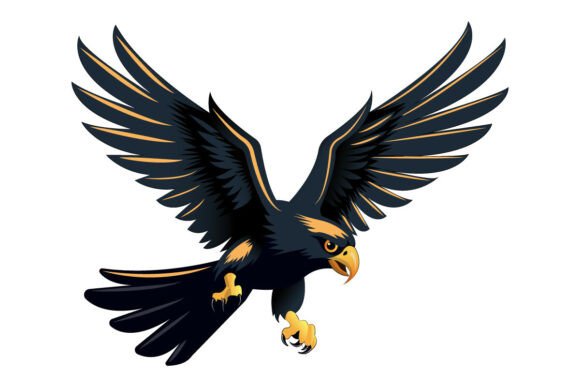
At its core, a flying hawk mascot vector design is a pre-constructed digital illustration that leverages vector file formats such as EPS, AI, or SVG. Unlike a simple silhouette or generic clip art, a mascot-grade design typically features detailed anatomy, including layered feathers, an aggressive facial expression, extended wings, and exposed talons. The "flying" posture distinguishes it from static or perched bird designs, emphasizing forward momentum and predatory focus.
The vector format is a primary technical benefit. It ensures the image remains mathematically precise and fully scalable, meaning it can be resized for a business card or a stadium banner without losing quality. The "fully editable" aspect, often highlighted in ESP format, allows end users to adjust colors, modify anatomical details, or remove background elements to align with specific branding guidelines. However, this customizability is conditional on having access to vector editing software and the skill to use it effectively.
Analyzing the Appeal: Symbolism and Practical Reasons for Interest
Interest in a hawk design typically stems from its inherent symbolic weight. Hawks represent focus, leadership, vision, protection, and predatory precision. For organizations or individuals looking to project strength, agility, and a competitive edge, the hawk is a natural and effective symbol. The "flying" posture specifically adds a layer of strategic overview and unstoppable forward motion, which is particularly resonant for sports teams or gaming clans.
The practical reasons for considering a pre-made vector design are often tied to budget and speed. Commissioning a fully custom, highly detailed mascot from a professional illustrator can be expensive and time-consuming. A flying hawk mascot vector design provides a high-quality baseline that can be customized relatively quickly, making it a cost-effective alternative. It offers a professional aesthetic that might otherwise be out of reach for a startup, local club, or independent creator operating with limited resources.
Benefits and Tradeoffs: A Balanced Look at Expectations
Choosing a pre-made vector design involves weighing clear benefits against very real considerations. Understanding these tradeoffs is essential for making a satisfying purchasing decision.
Primary Benefits
- Scalability and Versatility: Vector files ensure crisp output across digital platforms, large-format print, and embroidery, provided the detail level is appropriate for the medium.
- Cost-Effectiveness: The upfront cost is significantly lower than a fully custom illustration, allowing you to allocate budget to other branding elements like typography and packaging.
- Time Efficiency: You start with a professionally rendered base, which reduces the concept development phase drastically. Customization can often be completed in hours or days, not weeks.
- Modular Customization: Well-constructed vector files have layered components, allowing you to swap colors, adjust the background shape, or modify the wing position without redrawing the entire piece.
Practical Tradeoffs and Considerations
- The Uniqueness Factor: This is the most significant risk. Because these designs are sold as templates, there is a tangible chance another entity, possibly a direct competitor, utilizes the same base artwork. This can dilute brand distinctiveness. Checking the license terms and the marketplace's sales history is a critical step.
- Skill Requirement for Editing: The promise of "full editability" is only as good as the user's proficiency with software like Adobe Illustrator or CorelDRAW. If you lack these skills, you must factor in the cost of hiring a graphic designer to perform even basic color changes.
- Symbolic Alignment Check: A flying hawk is a high-energy, aggressive symbol. If your brand's core values are community-oriented, nurturing, or playful, this aesthetic might create a symbolic mismatch with your audience's expectations.
- Anatomical and Stylistic Accuracy: The quality of hawk vectors on the market varies widely. A poorly proportioned design, with inaccurate wing anatomy or unconvincing talons, can undermine credibility with knowledgeable audiences or feel unprofessional at scale.
Strong Fit: Where This Design Excels
There are specific scenarios where a flying hawk mascot vector design aligns perfectly with project needs.
- Competitive Sports and Esports: The inherent dynamism and focus of a flying hawk match the ethos of athletic competition and high-stakes gaming. It works well as a primary emblem, helmet decal, or team patch.
- Merchandise and Apparel Brands: The central, balanced composition of many hawk vectors lends itself well to screen printing or direct-to-garment printing. It creates a compelling chest print or sleeve emblem for outdoor or streetwear brands.
- Budget-Sensitive Branding Projects: For startups, local businesses, or non-profits needing a strong visual identity without a large budget, this vector provides a robust, professional starting point that can be adapted for logos, social media graphics, and stationery.
- Tattoo Art Reference: Tattoo artists and clients often use well-structured vector designs as a base. The clear linework and anatomical structure provide a solid foundation for an artist to refine and adapt into a custom piece.
Alternatives Worth Considering: When to Look Elsewhere
While the flying hawk vector is a strong option in many cases, there are situations where exploring alternatives is a better strategic choice.
- Need for Absolute Uniqueness: If trademark distinctiveness is a top priority for a large corporation or a brand entering a crowded market, a fully custom illustration from a dedicated artist is the safer and more legally defensible path. The cost is higher, but the asset is unique.
- Misaligned Symbolic Needs: If the brand values revolve around wisdom (owl), mystery (raven), or freedom (eagle), a hawk template may miscommunicate the intended message. Different avian species carry distinct symbolic weight that should match the brand narrative.
- Aesthetic Direction Mismatch: If the brand's visual language is minimalist, flat, or abstract, a highly detailed, shaded mascot vector may feel visually busy or dated. A simple geometric hawk icon or a typographic logo might be more effective and modern.
- Specific Print Constraints: While vectors are excellent for many print methods, highly detailed feather layering and shading may require significant simplification for techniques like embroidery. In such cases, a design specifically crafted for a single medium, or a simpler vector base, may save time and frustration.
Practical Decision-Making Insights
To determine if a specific flying hawk mascot vector design is right for you, adopt a structured evaluation process.
- Audit the File and Layers: Before purchasing, inspect the preview and read the description carefully. Look for well-organized layers (e.g., "wings," "head," "body," "background"). A disorganized file indicates poor construction that will be difficult to edit.
- Verify the License Agreement: Understand the End User License Agreement (EULA). Does it permit commercial use? Can you use it on merchandise you sell? Can you trademark it? Usually, you cannot trademark a template without significant, substantive changes.
- Assess Your Customization Capacity: Be honest about your technical skills and software access. If you cannot edit the file yourself, budget for a designer. A straightforward color change might cost $50-$100, while a full restructuring could cost more.
- Check for Market Saturation: Perform a search on the marketplace using similar keywords. If you see the exact design or very similar poses used many times, assess whether this diminishes the value for you. For local applications, saturation matters less than for national or global brands.
- Evaluate the Posture and Energy: Consider how the specific pose and angle of the wings will integrate with typography or other design elements. Some poses work better as badges, while others serve as horizontal banners or vertical marks.
Bringing It All Together
The flying hawk mascot vector design is a powerful tool in the right context. It offers a shortcut to a professional, energetic visual mark that carries strong symbolic weight. The key to a satisfying outcome is matching the design's inherent strengths to your specific constraints and goals. If your project demands high impact, tolerates a degree of shared design lineage, and requires cost and time efficiency, this vector format is an excellent candidate. If your primary needs are radical uniqueness, specific symbolic nuance, or a minimalist aesthetic, other options likely warrant priority. By evaluating the asset through this practical lens, you can make an informed decision that supports the long-term identity of your brand or project effectively.