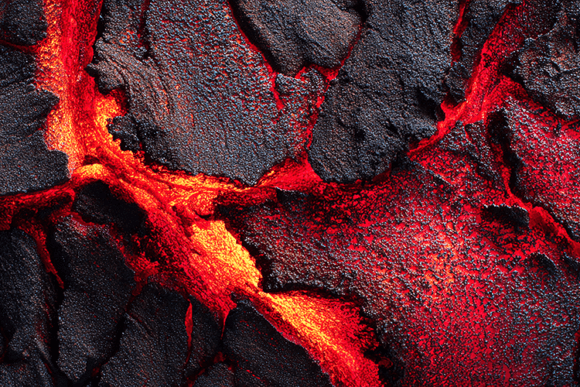
Molten Lava Rock Texture Background
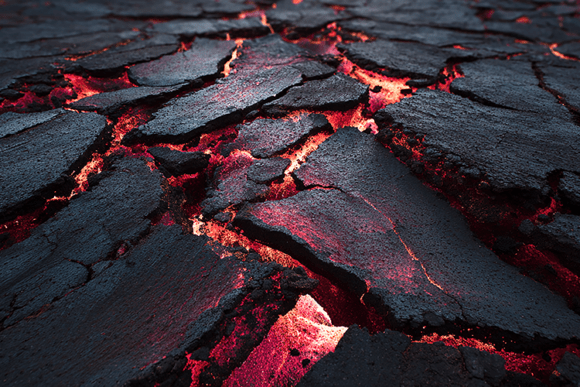
You have likely seen it before—a design that pulls you in with its raw energy, deep contrast, and fiery glow. That is exactly what a Molten Lava Rock Texture Background delivers. It is a high-resolution digital image, sized at 5824 x 3264 pixels, saved as a JPG file, and built for print-ready use. The scene captures glowing molten lava as it cuts through cracked black rock, with intense reds and oranges lighting up the surface. It feels alive. And whether you are a designer working on a poster, a gamer building a fantasy world, or a small business owner creating wall art, this kind of background offers something that flat colors or generic gradients simply cannot.
What makes this texture stand out is not just the resolution or the file format. It is the way it mimics natural volcanic surfaces. The deep black of the cooled rock sets a dark stage, while the glowing veins of lava create movement and heat. That contrast alone makes it useful across many projects. But the real question is: where do you actually use it, and why does it matter?
Where designers and digital creators rely on this texture
If you work in digital design, you know that finding the right background can make or break a project. A Molten Lava Rock Texture Background gives you an immediate sense of drama. It works well for fantasy art where you need a backdrop that feels ancient and powerful. Imagine a book cover for a dark fantasy novel or a poster for a role-playing game. The texture alone sets the tone before a single character or title is added.
Digital artists also use this texture as a base layer. Because of the high resolution, you can zoom in, crop, or overlay other elements without losing quality. You might use it as a ground surface in a scene, as a texture for a creature's skin, or as a glowing backdrop for a character portrait. The fiery red and orange highlights can be matched with light sources in your artwork, making the whole composition feel cohesive.
For those who create gaming graphics, this background is especially useful. Whether you are designing a level backdrop, a loading screen, or promotional materials for a game, the volcanic aesthetic fits genres like action, adventure, fantasy, and even sci-fi. The cracked rock and molten veins suggest danger and heat—perfect for a hellish landscape or a volcanic planet.
Marketers and social media managers also find value here. If you are promoting a product with an intense or bold identity, using this texture as a background for ads, banners, or social posts can grab attention quickly. It is not subtle. That is the point. When you need to stop someone from scrolling, a glowing lava texture does the job faster than a pastel gradient ever could.
Print projects and physical products that benefit from this texture
Because the file is print-ready and high resolution, it opens up options for physical products. Wall art is one of the most common uses. A large canvas print of a Molten Lava Rock Texture Background can become a statement piece in a gaming room, a home office, or a creative studio. The size and quality mean it holds up well on larger formats, keeping the details sharp and the colors vibrant.
Sublimation is another area where this texture shines. If you run a small sublimation business, you know that patterns and backgrounds need to be clear, consistent, and high quality. This texture can be applied to mugs, phone cases, mouse pads, coasters, and even apparel. The volcanic look appeals to a specific audience—people who love geology, fantasy, gaming, or bold aesthetics. It is a niche, but a passionate one.
Posters and prints for events also benefit. Imagine a music festival with a fire or volcanic theme, a fantasy convention, or a Halloween event. Using this texture as a poster background or flyer design immediately communicates intensity and excitement. It works for both digital and print versions, so you can reuse the same asset across different mediums.
For hobbyists who create craft projects, this texture offers a starting point for decoupage, scrapbooking, or mixed media art. You can print sections of it, cut them out, and layer them with other materials. The high resolution gives you flexibility to print at different sizes without losing clarity.
How educators and publishers can use this resource
It might not be the first use case that comes to mind, but educators and publishers can also benefit from a Molten Lava Rock Texture Background. If you teach earth science or geology, having a realistic volcanic texture can make classroom materials more engaging. You might use it as a visual aid when discussing plate tectonics, volcanic eruptions, or rock formation. Instead of showing a generic diagram, you can place it behind educational text or use it as a background for a digital presentation.
Publishers of magazines, ebooks, or online articles covering topics like nature, geology, or fantasy also find this useful. A full-page spread with a lava texture background can make a feature article stand out. It adds visual weight without requiring complex graphic design skills. Simply place your text over the darker areas of the image, and the glowing lava becomes a natural border or accent.
Bloggers and content creators who write about travel, adventure, or natural phenomena can use this texture for header images, social media graphics, or video thumbnails. It creates a consistent visual theme that signals intensity or exploration. Even if your content is not strictly about volcanoes, the texture can symbolize transformation, heat, or energy—themes that work well for personal development or motivational content.
What to consider before using this texture in your work
Before you download and start using a Molten Lava Rock Texture Background, there are a few practical things to think about. First, consider the file size. At 5824 x 3264 pixels, this is a large image. That is great for print and high-resolution displays, but it may be overkill for simple web use. If you only need a small thumbnail or a low-res social media post, you will likely want to resize and compress the file to keep loading times fast. The original file is best reserved for projects where detail truly matters.
Second, think about the mood you want to create. This texture is intense. It works well for bold, dark, or dramatic themes, but it can overpower softer designs. If your project needs a subtle background, this is probably not the right choice. But if you want something that demands attention, it fits perfectly.
Third, check the license or usage terms if you are buying or downloading from a marketplace. Some textures come with restrictions on commercial use, resale, or redistribution. If you plan to use it in products you sell—like wall art, mugs, or digital assets—make sure you have the appropriate rights. Print-ready JPG files are often sold with standard commercial licenses, but it is worth confirming.
Fourth, consider the color balance of your overall project. The fiery red and orange highlights are dominant. If your design includes other colors, test how they look together. Cool colors like deep blue or teal can create a striking contrast with the lava glow. Warm colors may blend in and lose impact. A quick mockup before finalizing can save you time and frustration.
Finally, think about the format. JPG files are widely compatible, but they use lossy compression. For most print and digital uses, the quality is more than sufficient. However, if you need to edit the texture extensively or layer it with transparent elements, you might prefer a PNG or TIFF version. That said, for a background that is used as-is or with minimal adjustments, JPG is practical and easy to work with.
Who benefits most and why
Different users get different value from this texture. For a graphic designer, it is a time-saver. Instead of creating a volcanic texture from scratch, you have a ready-made, high-quality asset that can be dropped into layouts, composites, or mockups. For a small business owner selling fantasy-themed products, it is a differentiator. Using unique, striking backgrounds helps your products stand out from competitors who rely on generic stock imagery.
For a hobbyist crafter, it is an affordable way to access professional-grade material. You do not need expensive software or advanced skills to use it. Print, cut, glue, and your project has a polished look. For an educator, it is a teaching tool that makes a subject more tangible. Seeing the glow and texture of lava on screen is more memorable than reading about it in a textbook.
For a gaming content creator or streamer, it works as a backdrop for overlays, panels, or channel art. The volcanic theme fits many gaming personas and adds consistency to your brand. And for a marketer, it is an attention-grabbing asset that performs well in visual-first platforms like Instagram, Pinterest, and YouTube thumbnails.
Making it work in your specific situation
The best way to use this texture depends on what you are building. If you are designing a poster, place your text in the darker sections of the rock and let the glowing lava act as a natural border. If you are creating sublimated products, test the print on a small sample first to see how the colors translate to your material. If you are building a digital background for a video or presentation, consider using a subtle motion effect or overlay to make the lava feel even more dynamic.
One practical approach is to use the texture as a starting point rather than a finished product. You can adjust the saturation, add a gradient map, or overlay a logo with blending modes. Because the image has strong contrast, it responds well to these kinds of edits. You can also crop specific sections to highlight different parts of the lava flow, giving you multiple backgrounds from a single file.
Another idea is to combine it with other textures. Layer it with a stone or ash overlay for a more complex surface, or use it behind a silhouette for a dramatic effect. The high resolution gives you room to experiment without worrying about pixelation.
Practical takeaways for everyday users
If you are someone who works with digital or printed visuals regularly, having a resource like this in your library is useful. It does not require a steep learning curve. You do not need to be a professional designer to get good results. The file is large, but that works in your favor when you need flexibility. The visual impact is immediate, and the applications are wide enough that you will likely find multiple uses over time.
The key is to match the texture to the purpose. Use it where intensity and contrast matter. Avoid it where subtlety is needed. Test it early in your workflow so you can adjust before finalizing. And always consider your audience—if they respond to bold, dramatic visuals, this texture will serve you well.
A Molten Lava Rock Texture Background is not just a pretty image. It is a practical tool for anyone who needs to communicate energy, danger, heat, or raw natural power. Whether you are designing for yourself, your clients, or your customers, it adds a layer of depth that flat backgrounds cannot replicate.