Rainbow Lava Fantasy Backgrounds: A Practical Guide for Creatives and Digital Designers
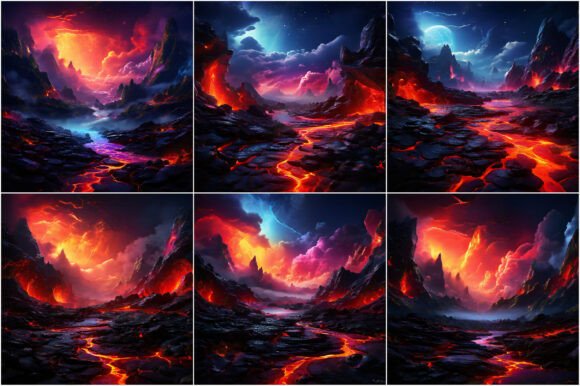
In the crowded world of digital assets, finding a background that balances intensity with versatility is rare. Most abstract textures lean either too subtle to make an impact or too chaotic to work with real content. Rainbow Lava Fantasy Backgrounds strike a deliberate middle ground. This collection presents six high-resolution JPG files, each capturing flowing, molten lava textures infused with vibrant fantasy colors. The result is a set of backdrops that feel both elemental and surreal—grounded in the physics of heat and movement, yet colored outside the boundaries of nature.
For designers, marketers, and content creators who regularly build visual identities, these backgrounds offer a repeatable resource that does not require custom rendering or complex compositing. They are ready to place behind text, products, or graphics, and they hold up under scrutiny at 3600 x 3600 pixels. Whether you are preparing a limited-edition album cover, building a gaming interface, or designing sublimation merchandise, understanding how to integrate this collection into your workflow will save time and elevate output.
What the Collection Delivers and Why It Matters
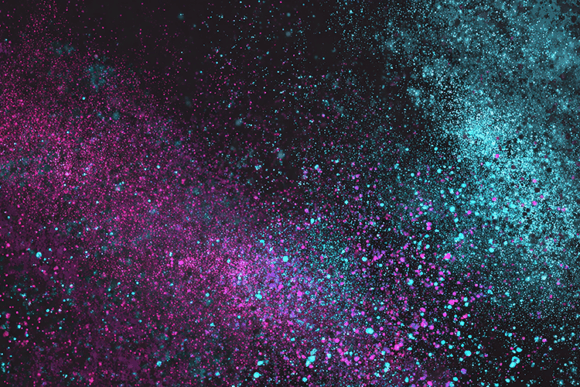
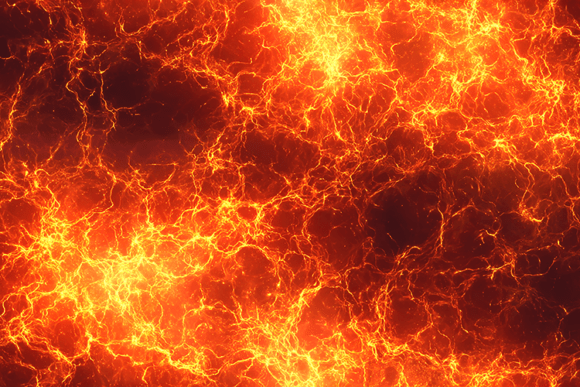
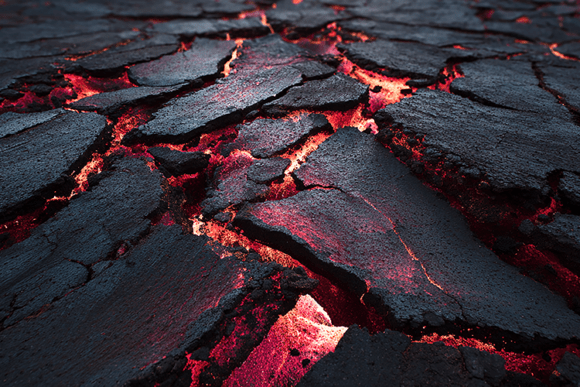
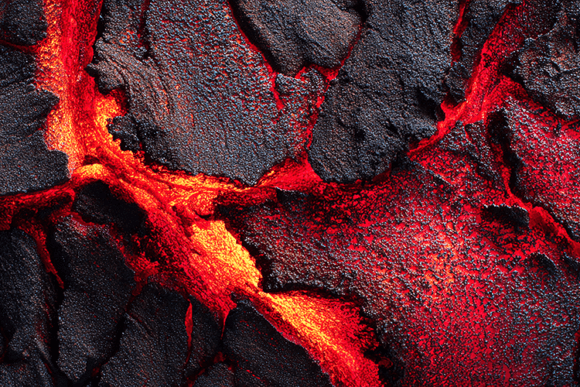
Each file in the Rainbow Lava Fantasy Backgrounds set is a standalone scene of luminous, flowing texture. The colors shift across warm reds, oranges, and yellows, then unexpectedly move into purples, teals, and magentas. This is not a simple gradient overlay—the textures contain crack-like fissures, glowing veins, and motion that suggests real lava cooling and splitting. The fantasy palette expands the visual vocabulary beyond what actual volcanic imagery offers, making the backgrounds suitable for genres that need otherworldly energy without losing tactile realism.
The six files give you immediate variety. You can use one as a hero background, another as a textured overlay, and a third as a section divider in a larger layout. Because they are print-ready at 3600 x 3600 pixels, you can output them directly onto physical products without upscaling or interpolation artifacts. For digital projects, you retain the flexibility to crop, scale, or rotate without losing sharpness.
Where These Backgrounds Fit in a Creative Workflow
Every design project follows a rough arc: concept, asset gathering, composition, refinement, and delivery. Rainbow Lava Fantasy Backgrounds serve as the visual foundation that can be selected early in the asset-gathering phase. Because they are high-contrast and color-rich, they influence the entire color palette and typography choices that follow.
If you are designing for a music artist's album cover, for example, you might start with the background as the emotional anchor. The molten motion suggests intensity, transformation, or heat. From there, you choose typefaces that either contrast with the texture (clean sans-serifs) or complement it (distressed or organic lettering). The background dictates the lighting and mood, so your subsequent decisions become more deliberate and faster.
For e-commerce product mockups, these backgrounds work well during the composition phase. Place a white ceramic mug or a black t-shirt against the lava texture, and the product immediately gains visual weight. The bright fantasy colors create separation between the product and the background, which is especially useful for items that need to pop in thumbnail views. You can layer product photography directly over the JPGs, using blend modes or opacity adjustments to integrate the glow into the product edges.
In gaming graphics, the backgrounds are useful both as environmental backplates and as UI panel textures. A fantasy role-playing game interface might use a muted lava texture behind menu buttons, while a full-screen loading screen can feature the most dramatic color shifts. The six-file variety lets you assign different moods to different screens without repeating the exact same asset.
Practical Implementation Tips for Different Outputs
Sublimation printing is one of the most immediate use cases for this collection. When you prepare files for sublimation on t-shirts, hoodies, pillows, or tote bags, the background serves as the full-coverage design. Because the JPGs are 3600 x 3600 pixels, they align well with standard sublimation press sizes. You can place your central graphic or text over the lava texture and send the composite directly to print. The high resolution ensures that the fine details in the lava cracks do not blur during transfer.
For stickers and decals, the backgrounds work best as the base layer behind cut lines. A round sticker featuring a central logo over a section of rainbow lava will have a unique, handcrafted feel. Because the texture varies across the file, you can crop multiple sticker designs from a single background file, giving each sticker a different focal point.
Phone cases and home decor items like coasters or decorative panels benefit from the square aspect ratio. The 1:1 proportion means you do not have to stretch or crop aggressively. Align your subject matter with the brightest or darkest area of the background to control contrast. A dark logo placed over a glowing magenta vein will read clearly, while a light text over the darker cracked areas provides legibility with an edgy aesthetic.
How This Collection Interacts with Other Assets and Tools
No background works in isolation. The effectiveness of Rainbow Lava Fantasy Backgrounds depends on how you pair them with typography, illustrations, photography, and branding elements. Because the textures are already visually busy, the most effective compositions often use negative space strategically. Place your main subject matter in areas where the lava texture is relatively darker or more uniform, and let the bright color streaks act as directional lines that draw the eye toward your focal point.
In Photoshop or Affinity Photo, you can use these backgrounds as texture layers behind semi-transparent shapes. Duplicate the background, apply a Gaussian blur, and use it as a glowing backdrop behind product photography. The blur softens the sharp cracks while retaining the color motion, creating a dreamy atmosphere that still reads as lava. This technique is especially useful for posters, invitations, and digital ads where you want energy without distraction.
For video editors, the JPG files can be imported into timelines as still backgrounds or composited with motion graphics. While these are static files, their visual motion is so strong that they often read as dynamic even without animation. If you need subtle movement, you can pan or zoom across the high-resolution image in editing software, creating a slow crawl over the lava surface that adds depth to talking-head videos or stream overlays.
Preparing Files for Consistent Results
One common pitfall when using high-contrast backgrounds is color shift across different print methods. Before sending your composite file to production, check the ICC profile of the original JPG and convert it to the profile your printer recommends. Sublimation printers often require sRGB or Adobe RGB, while offset printing may use CMYK. The vibrant fantasy colors in this collection are designed to pop, but without proper color management, you risk losing the neon edges or turning the bright purples into muddy browns.
If you are using these backgrounds for digital display, test them on both calibrated and uncalibrated monitors. The glow effects that look balanced on your screen may appear too saturated or too dim on a standard laptop display. Adjust brightness and contrast at the composite level rather than editing the background file directly. This keeps your original asset intact and reusable.
Organization is another factor that affects long-term efficiency. Store the six JPG files in a clearly labeled folder with thumbnails enabled. If you work across multiple projects, create a master asset library and tag each file by dominant color, mood, and recommended use case. This way, when a new project calls for "high-energy fantasy background," you can pull the appropriate file without rescanning every folder.
Long-Term Value and Reusability
A well-chosen background collection pays for itself over multiple projects. Because these designs are abstract and not tied to any specific brand or season, they remain usable across different campaigns, product lines, and creative directions. The intense, dramatic style fits edgy branding, music merchandise, gaming assets, and event promotions. It also works for more unexpected categories like book covers in the fantasy or sci-fi genres, where the lava texture can symbolize transformation or conflict.
You can also repurpose the same background across different product types within a single brand launch. A t-shirt design uses one crop, a sticker uses another, and a phone case uses a third. The visual consistency ties the product line together without feeling repetitive, because the texture offers enough variety within each file. This is especially valuable for small business owners who produce limited runs and need maximum impact from minimal assets.
Final Observations on Integration
Rainbow Lava Fantasy Backgrounds are not a niche product reserved for fantasy artists alone. They are a functional tool for any creative professional who needs bold, high-resolution textures that perform under real production constraints. The six files offer enough range to cover multiple projects, and the technical specs eliminate the common headaches of low resolution and print incompatibility.
When you bring these backgrounds into your workflow, treat them as a foundational layer rather than a final decoration. Let them inform your color choices, your typography hierarchy, and your composition structure. The most successful uses will be those where the background and foreground elements feel like they belong together—where the lava glow catches the edge of a headline or the cracks align with a product silhouette. That level of integration takes a few extra minutes of planning, but it turns a good design into one that feels inevitable.
Whether you are a freelancer building a portfolio piece, a small business owner launching a merch line, or a marketer preparing visuals for a high-energy campaign, this collection provides a reliable, repeatable visual anchor. Keep the files organized, test your outputs, and let the natural motion of the lava do the heavy lifting.